
Contents
- 🌎 Origins & History
- ⚙️ How It Works
- 📊 Key Facts & Numbers
- 👥 Key People & Organizations
- 🌍 Cultural Impact & Influence
- ⚡ Current State & Latest Developments
- 🤔 Controversies & Debates
- 🔮 Future Outlook & Predictions
- 💡 Practical Applications
- 📚 Related Topics & Deeper Reading
- Frequently Asked Questions
- References
- Related Topics
Overview
Climate change mitigation strategies involve a multifaceted approach to reduce greenhouse gas emissions and limit global warming. These strategies include transitioning to renewable energy sources, increasing energy efficiency, and implementing sustainable land use practices. According to the Intergovernmental Panel on Climate Change (IPCC), global greenhouse gas emissions must peak before 2025 and decline by about 43% by 2030 to limit warming to 1.5 °C. The adoption of climate change mitigation policies has been insufficient, and current efforts would still result in global warming of about 2.7 °C by 2100, significantly above the 2015 Paris Agreement's goal. Recent research highlights the importance of demand-side climate solutions, such as reducing energy consumption and promoting sustainable lifestyles, in achieving significant emissions reductions. The implementation of climate change mitigation strategies requires a coordinated effort from governments, businesses, and individuals, and must be supported by policies and technologies that promote sustainable development and reduce greenhouse gas emissions.
🌎 Origins & History
The concept of climate change mitigation has its roots in the 1980s, when scientists first began to warn about the dangers of global warming. The United Nations played a crucial role in raising awareness about climate change, and the 1992 United Nations Framework Convention on Climate Change (UNFCCC) marked a significant milestone in the development of climate change mitigation strategies. The Kyoto Protocol, adopted in 1997, was the first international treaty to establish binding emissions reduction targets for developed countries. However, the protocol's limitations and the lack of participation from key countries, such as the United States, hindered its effectiveness. The Paris Agreement, adopted in 2015, marked a significant shift towards a more comprehensive and ambitious approach to climate change mitigation, with almost 200 countries committing to limit global warming to well below 2 °C and pursue efforts to limit it to 1.5 °C.
⚙️ How It Works
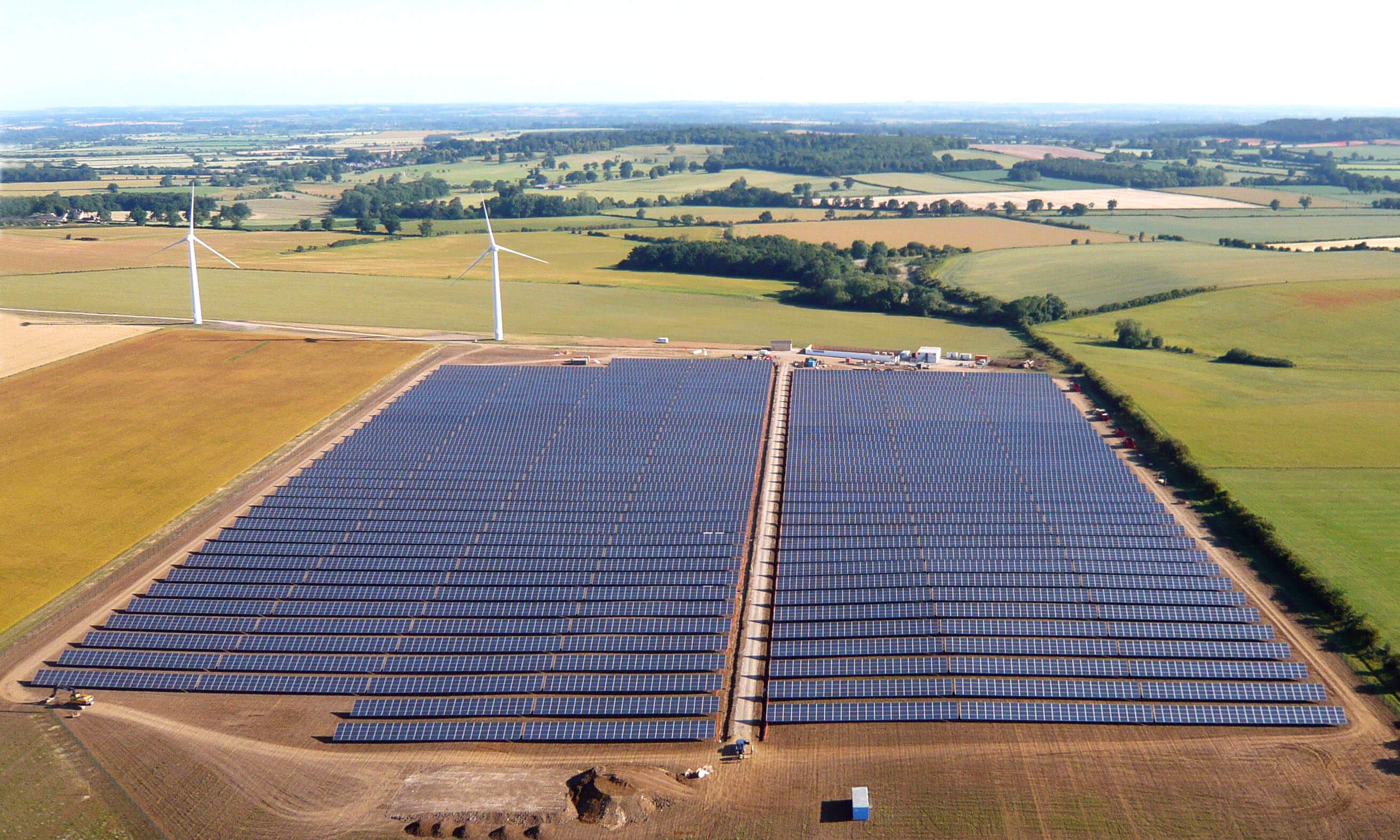
Climate change mitigation strategies involve a range of actions, including transitioning to renewable energy sources, such as solar energy and wind energy, increasing energy efficiency, and implementing sustainable land use practices, such as reforestation and sustainable agriculture. The International Energy Agency (IEA) estimates that the transition to a low-carbon economy will require significant investments in clean energy technologies, including electric vehicles and energy storage. The World Wildlife Fund (WWF) and other environmental organizations have emphasized the importance of protecting natural habitats, such as forests and wetlands, which play a critical role in sequestering carbon dioxide and mitigating the effects of climate change.
📊 Key Facts & Numbers
The numbers are clear: global greenhouse gas emissions must peak before 2025 and decline by about 43% by 2030 to limit warming to 1.5 °C. The Intergovernmental Panel on Climate Change (IPCC) estimates that the current country pledges under the Paris Agreement would still result in global warming of about 2.7 °C by 2100, significantly above the agreed-upon goal. The World Bank has estimated that the economic benefits of climate change mitigation, including reduced air pollution and improved public health, could be substantial, with some studies suggesting that the benefits could outweigh the costs by a factor of 2:1 or 3:1. The United Nations Environment Programme (UNEP) has emphasized the importance of climate change mitigation in achieving the Sustainable Development Goals (SDGs), particularly SDG 13, which focuses on climate action.
👥 Key People & Organizations
Key people and organizations have played a crucial role in shaping climate change mitigation strategies. The United Nations Secretary-General, Antonio Guterres, has been a vocal advocate for climate action, and the UNFCCC has provided a critical platform for international cooperation on climate change. The Climate Action Network (CAN) and other non-governmental organizations (NGOs) have pushed for more ambitious climate policies and greater transparency in the implementation of climate change mitigation strategies. The Bill and Melinda Gates Foundation has supported climate change mitigation efforts, particularly in the areas of agricultural development and energy access.
🌍 Cultural Impact & Influence
Climate change mitigation has significant cultural and social implications, particularly in vulnerable communities, such as small island developing states and least developed countries. The United Nations Development Programme (UNDP) has emphasized the importance of climate change mitigation in achieving sustainable development and reducing poverty. The World Health Organization (WHO) has highlighted the significant health benefits of climate change mitigation, including reduced air pollution and improved public health. The International Labor Organization (ILO) has emphasized the need for a just transition to a low-carbon economy, which protects the rights of workers and promotes decent work.
⚡ Current State & Latest Developments
The current state of climate change mitigation is marked by a sense of urgency and a growing recognition of the need for more ambitious action. The COP26 climate summit, held in Glasgow in 2021, saw significant commitments from countries to increase their climate ambition and reduce greenhouse gas emissions. The EU Green Deal and the US Climate Plan are examples of national and regional efforts to transition to a low-carbon economy. However, the pace of progress remains slow, and the gap between current country pledges and the 1.5 °C goal remains significant. The Climate Action Tracker (CAT) has estimated that the current country pledges would still result in global warming of about 2.7 °C by 2100.
🤔 Controversies & Debates
Controversies and debates surrounding climate change mitigation strategies include the role of nuclear energy in the transition to a low-carbon economy, the impact of carbon pricing on vulnerable communities, and the effectiveness of geoengineering in reducing greenhouse gas emissions. The World Nuclear Association has argued that nuclear energy can play a critical role in reducing greenhouse gas emissions, while the Sierra Club and other environmental organizations have raised concerns about the risks and costs associated with nuclear energy. The Carbon Pricing Leadership Coalition has emphasized the importance of carbon pricing in providing a financial incentive for reducing greenhouse gas emissions, while the International Monetary Fund (IMF) has highlighted the need for careful design and implementation of carbon pricing mechanisms to avoid adverse impacts on vulnerable communities.
🔮 Future Outlook & Predictions
The future outlook for climate change mitigation is marked by a sense of uncertainty and a growing recognition of the need for more ambitious action. The IPCC has estimated that the window for limiting warming to 1.5 °C is rapidly closing, and that significant emissions reductions are needed in the next decade to avoid the most catastrophic impacts of climate change. The UNFCCC has emphasized the importance of international cooperation and collective action in achieving the goals of the Paris Agreement. The World Economic Forum (WEF) has highlighted the need for a coordinated effort from governments, businesses, and civil society to transition to a low-carbon economy and achieve the SDGs.
💡 Practical Applications
Practical applications of climate change mitigation strategies include the development of green infrastructure, such as green roofs and urban forestry, and the promotion of sustainable transportation, such as electric vehicles and public transportation. The US Environmental Protection Agency (EPA) has provided guidance and resources for communities to develop and implement climate change mitigation strategies, including the Climate Change Mitigation Strategies toolkit. The World Business Council for Sustainable Development (WBCSD) has emphasized the importance of business leadership and innovation in driving the transition to a low-carbon economy.
Key Facts
- Year
- 2022
- Origin
- Global
- Category
- climate-change
- Type
- concept
Frequently Asked Questions
What is climate change mitigation?
Climate change mitigation refers to the actions taken to reduce greenhouse gas emissions and limit global warming. These actions include transitioning to renewable energy sources, increasing energy efficiency, and implementing sustainable land use practices.
Why is climate change mitigation important?
Climate change mitigation is important because it helps to reduce the risks associated with climate change, such as more frequent and severe weather events, sea-level rise, and water scarcity. It also helps to promote sustainable development and reduce poverty.
What are the benefits of climate change mitigation?
The benefits of climate change mitigation include reduced air pollution, improved public health, and increased energy security. It also helps to promote economic growth and job creation in the clean energy sector.
What are the challenges of climate change mitigation?
The challenges of climate change mitigation include the need for significant investments in clean energy technologies, the development of new policies and regulations, and the engagement of stakeholders and communities in the transition to a low-carbon economy.
What is the current state of climate change mitigation?
The current state of climate change mitigation is marked by a sense of urgency and a growing recognition of the need for more ambitious action. The Paris Agreement and the IPCC reports provide a framework for achieving the goals of climate change mitigation, but the pace of progress remains slow.
What are the future outlook and predictions for climate change mitigation?
The future outlook for climate change mitigation is marked by a sense of uncertainty and a growing recognition of the need for more ambitious action. The IPCC has estimated that the window for limiting warming to 1.5 °C is rapidly closing, and that significant emissions reductions are needed in the next decade to avoid the most catastrophic impacts of climate change.
What are the practical applications of climate change mitigation strategies?
The practical applications of climate change mitigation strategies include the development of green infrastructure, the promotion of sustainable transportation, and the implementation of energy-efficient technologies. The US Environmental Protection Agency (EPA) has provided guidance and resources for communities to develop and implement climate change mitigation strategies.